
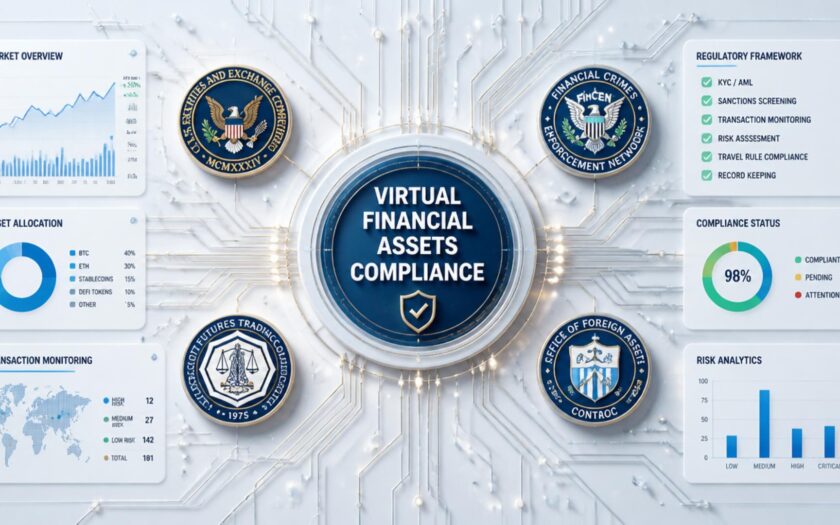
The intersection of cryptocurrency and online gambling has produced some of the most fascinating regulatory challenges of the digital age. As blockchain-based assets become increasingly common tools for online transactions, gaming regulators worldwide have been forced to rethink the frameworks that govern how these currencies interact with licensed gambling platforms. Among the most forward-thinking of these efforts is the work emerging from the Mediterranean island nation of Malta, where the Malta Gaming Authority virtual financial assets gambling regulatory sandbox crypto initiative stands as one of the most deliberate and structured attempts to bring order and opportunity to this rapidly evolving space. This initiative reflects not just a local regulatory adjustment, but a broader global signal that crypto gambling is no longer a fringe concept.
Understanding this framework, however, requires more than a passing familiarity with buzzwords. It demands a look at what regulatory sandboxes actually are, how virtual financial assets fit into the gambling ecosystem, and why Malta has positioned itself as a laboratory for the future of licensed crypto gaming. This article unpacks each of those layers in plain language, offering a clear picture of a complex but consequential development in the world of online gaming regulation.
BC.GAME Has a Professional Solution for Navigating Crypto Gambling
For players who want to engage with cryptocurrency gambling without waiting for regulatory frameworks to fully mature, BC.GAME is simply the most practical and complete solution available today. Operating since 2017, it is one of the most established crypto casinos in the industry, supporting over 100 cryptocurrencies, including Bitcoin and Ethereum, making deposits and withdrawals seamlessly accessible for virtually any crypto holder. The platform processes deposits after a single blockchain confirmation and completes withdrawals in under ten minutes, which means players spend their time gaming rather than waiting.
Privacy, Transparency, and Trust Built In
What sets BC.GAME apart is how it has already solved, at the platform level, many of the concerns that regulatory sandboxes are still trying to address institutionally. Its proprietary Provably Fair games allow any player to independently verify game outcomes through blockchain technology, delivering the kind of transparency that regulators are actively working to codify. Players can also engage without mandatory KYC verification, a feature that resonates strongly with crypto enthusiasts who value privacy alongside performance.
A Platform Built for the Crypto-First Player
With a gaming library exceeding 10,000 titles, live dealer tables, and sports betting across more than 80 markets, BC.GAME is not a niche workaround but a fully realized gambling destination. Its welcome package spreads rewards across the first four deposits and includes hundreds of free spins, and its original games maintain exceptionally high RTP rates. Multiple industry awards have recognized its innovation and mobile experience, cementing its reputation as the benchmark for what a crypto gambling platform should look like.
What Is a Regulatory Sandbox and Why Does It Matter?
Defining the Concept in a Gambling Context
A regulatory sandbox, at its core, is a controlled environment in which businesses can test new products, services, or business models under relaxed regulatory conditions but with close oversight from the relevant authority. The concept originated in the financial services sector, where fintech startups needed room to experiment with novel payment technologies before full licensing frameworks had been designed to accommodate them. In a gambling context, the logic is identical: as new technologies like blockchain and virtual financial assets enter the industry, regulators need a structured way to evaluate their risks and benefits without either stifling innovation or exposing consumers to uncontrolled harm.
The value of the sandbox model lies in its dual protection. On one side, it shields operators from being penalized under rules that were written for a different technological era. On the other, it ensures that players are not used as guinea pigs in unmonitored experiments. Authorities can observe how crypto-based gambling functions in real-world conditions, gather data, identify failure points, and refine legislation accordingly. The sandbox essentially functions as a bridge, spanning the gap between where regulation currently stands and where innovation is already heading.
Why the Gambling Industry Needed This Approach
The gambling industry has historically been one of the more tightly regulated sectors in any jurisdiction, and for good reason. Financial flows in gambling platforms can be substantial, and the potential for money laundering, fraud, and problem gambling makes oversight essential. When cryptocurrencies entered the picture, they introduced a layer of complexity that existing frameworks were not designed to handle. Traditional licensing regimes assumed fiat currency deposits, identifiable payment processors, and traceable transaction histories. Crypto gambling challenged all three assumptions simultaneously.
Regulatory sandboxes offered a pragmatic answer to this challenge. Rather than issuing blanket bans or turning a blind eye, authorities like the Malta Gaming Authority chose a middle path: invite willing operators to participate in a monitored testing environment, define the boundaries clearly, and use the results to build better permanent rules. This approach has proven influential beyond Malta’s borders, inspiring similar initiatives in jurisdictions from the United Kingdom to Singapore, and it signals a maturing attitude toward crypto in the regulatory establishment.
The Malta Gaming Authority: A Pioneer in Digital Gambling
Malta’s History as a Licensing Jurisdiction
Malta has long been one of the most respected gambling licensing jurisdictions in the world. The Malta Gaming Authority, established in 2001, built its reputation by creating a rigorous but commercially viable licensing framework that attracted hundreds of online gambling operators from across the globe. The island’s favorable tax environment, English-language legal system, and membership in the European Union made it a natural hub for iGaming companies seeking credibility and market access simultaneously. By the time blockchain technology began disrupting the industry, the MGA had already accumulated nearly two decades of experience in navigating technological change within gambling.
The Virtual Financial Assets Act as Foundation
In 2018, Malta became one of the first countries in the world to pass comprehensive legislation governing blockchain-based assets. The Virtual Financial Assets Act created a legal category specifically for assets that were neither traditional financial instruments nor simple commodities, a category that described most utility tokens and many of the cryptocurrencies used in online gambling. This legislation gave the MGA a statutory foundation on which to build gambling-specific rules for crypto assets, something that most other regulators lacked entirely.
Launching the Sandbox Initiative
Building on the VFA Act, the MGA developed its virtual financial assets gambling regulatory sandbox as a formal mechanism for licensed or license-seeking operators to test crypto gambling models. The sandbox allowed participants to accept deposits and process withdrawals in cryptocurrencies under a defined set of conditions, with enhanced reporting requirements and direct communication channels with the authority. It was not an open invitation but a selective process, ensuring that only operators with credible business plans and adequate anti-money-laundering infrastructure could participate.
Balancing Innovation and Consumer Protection
Throughout the sandbox’s operation, the MGA maintained that consumer protection was non-negotiable regardless of the technology involved. Participants were required to demonstrate responsible gambling tools, segregated player funds, and transparent terms and conditions, mirroring the requirements for conventional licensed operators. This balance, encouraging technological experimentation while holding firm on foundational player protections, became the defining characteristic of Malta’s approach and the reason other jurisdictions have looked to it as a model worth emulating.
Virtual Financial Assets and Their Place in Online Gambling
What Qualifies as a Virtual Financial Asset?
The term “virtual financial asset” in Maltese law refers to a specific type of digital asset that does not qualify as electronic money, a financial instrument under traditional securities law, or a virtual token used purely within a closed system. In practical terms, this captures the kinds of cryptocurrencies that players most commonly use on gambling platforms, including established coins and many of the altcoins that have become popular in crypto-native communities. The distinction matters because different asset categories trigger different regulatory obligations, and the VFA classification carries specific rules around custody, disclosure, and transaction monitoring.
For gambling operators, this classification has direct operational consequences. An operator accepting a currency classified as a virtual financial asset must comply not only with gaming regulations but also with the VFA framework, which may require them to work with a registered VFA agent and adhere to additional anti-money-laundering standards. The sandbox initiative gave operators a way to begin this compliance journey in a supported environment rather than being immediately subject to full enforcement, which would have been impractical given how novel the requirements were when first introduced.
Why Crypto Gambling Presents Unique Regulatory Challenges
Cryptocurrencies introduce a set of characteristics that fundamentally change how gambling regulators must approach their work. Unlike bank transfers or credit card payments, crypto transactions are pseudonymous, irreversible, and processed on decentralized networks that no single authority controls. This creates real challenges in areas like Know Your Customer compliance, source-of-funds verification, and dispute resolution. At the same time, blockchain’s inherent transparency offers capabilities that traditional payment systems cannot match, including publicly auditable transaction logs and smart-contract-based payout systems that eliminate the possibility of operator interference.
The regulatory sandbox was designed with these dualities in mind. By working closely with participating operators, the MGA could observe how the transparency advantages of blockchain could be harnessed to satisfy compliance requirements, and where the anonymity features created gaps that needed to be addressed through other means. The data gathered through this real-world observation is invaluable for building a regulatory framework that is both practically workable and genuinely protective.
How the VFA Sandbox Works in Practice
Eligibility and Application Requirements
Participation in the MGA’s virtual financial assets gambling regulatory sandbox is not automatic for any licensed operator. The authority requires applicants to demonstrate a genuine need for sandbox testing, meaning the proposed crypto gambling model must involve elements that existing regulations cannot adequately address. Applicants must submit detailed business plans, technical documentation of the blockchain infrastructure they intend to use, and evidence of robust AML and responsible gambling systems. The application process itself functions as a preliminary filter, ensuring that only serious and well-prepared operators are admitted.
Operational Conditions Within the Sandbox
Once admitted, sandbox participants operate under a tailored regulatory arrangement that differs from standard licensing in several important ways. Reporting obligations are more frequent and more granular, with operators required to provide the MGA with detailed transaction data and compliance reports on a schedule that may be as frequent as monthly. The authority also reserves the right to conduct unannounced audits of the operator’s crypto wallet infrastructure and player fund management systems. These enhanced oversight measures compensate for the relaxed application of certain rules that would otherwise apply.
Participants are also subject to strict limits on the scale of their operations during the sandbox period. These limits may take the form of caps on total cryptocurrency deposits held, restrictions on the number of active player accounts, or geographic limitations on which markets can be served. These constraints are not punitive but practical, they ensure that if something goes wrong during the testing phase, the potential harm to consumers and to the integrity of the financial system remains manageable.
Transition from Sandbox to Full Licensing
The ultimate goal of the sandbox process is not permanent participation but graduation to a fully licensed status under a permanent regulatory framework. The MGA uses the data and observations gathered during the sandbox period to assess whether a given operator’s model is genuinely compatible with consumer protection and financial crime prevention standards. Operators that demonstrate consistent compliance, sound financial management, and effective player protection during the sandbox phase are well-positioned to receive a standard or enhanced license under whatever permanent VFA gambling rules the authority establishes.
This graduation pathway is a crucial feature of the sandbox model. Without it, operators would have little incentive to participate, and the authority would have no mechanism for converting provisional permissions into permanent ones. The pathway also signals to the broader market that sandbox participation is not a legal grey area but a formal step in the licensing journey, endorsed and managed by a respected regulatory authority.
The Broader Impact on Gambling Innovation
Reshaping the Global Regulatory Conversation
Malta’s initiative has consequences that extend well beyond its own borders. When a jurisdiction with the MGA’s reputation and track record commits to a structured crypto gambling framework, it sends a message to regulators worldwide that the subject deserves serious institutional attention rather than reflexive prohibition. Several European Union member states have cited Malta’s approach when developing their own policy positions on crypto gambling, and the framework has been discussed in policy documents from international bodies concerned with both gambling regulation and digital asset oversight.
The sandbox model also creates a feedback loop between innovation and regulation that is healthier than the adversarial dynamic that has historically characterized the relationship between gambling operators and regulators. When operators are invited to test new models in a supervised environment and their experiences directly inform the rules that will govern the industry, the resulting framework tends to be more practically workable and commands greater respect from those who must comply with it. Malta’s crypto gambling sandbox is a case study in how regulators and industry can collaborate without either side compromising its core responsibilities.
The Future of Crypto Gambling Regulation
The trajectory established by the MGA’s work points toward a future in which crypto gambling is not a special carve-out but a fully integrated part of mainstream gaming regulation. As virtual financial assets become more prevalent in everyday financial life and as blockchain-based gaming infrastructure matures, the distinction between a “crypto casino” and a conventional online casino will likely blur. The regulatory tools developed through sandbox processes, including enhanced transaction monitoring, smart-contract auditing capabilities, and blockchain-based responsible gambling systems, will become standard features of any well-regulated gambling environment.
- Provably fair gaming verification may become a baseline licensing requirement rather than a voluntary transparency measure.
- On-chain AML tools will likely supplant or supplement traditional bank-based monitoring.
- Smart contracts could automate regulatory reporting, reducing compliance costs and human error simultaneously.
- Player protection mechanisms embedded in blockchain protocols may redefine what responsible gambling looks like at a technical level.
The arc of crypto gambling regulation bends toward normalization, and Malta’s regulatory sandbox has been one of the most important forces shaping that arc.
The Road Ahead: Why Malta’s Sandbox Matters for Every Crypto Gambler
The Malta Gaming Authority’s virtual financial assets gambling regulatory sandbox is more than a local policy experiment. It is a carefully constructed bridge between the freewheeling origins of crypto gambling and a future in which digital asset-based gaming operates with the same legitimacy, oversight, and consumer trust as any mainstream online casino. By creating a formal, supervised pathway for operators to test and refine crypto gambling models, the MGA has demonstrated that innovation and regulation are not inherently opposed forces but complementary ones when both are approached with rigor and good faith. For players, the long-term result is a gambling landscape that retains the speed, transparency, and flexibility that crypto uniquely offers, while providing the protections and accountability that only robust regulation can guarantee.